
Latest news
How Are Spun Bamboo Products Made? A Story from Inside Thành Nam ARTS

Apr
How Are Spun Bamboo Products Made? It’s a question many buyers ask before visiting our workshop, but the answer is often far more remarkable than they expect.
“I knew these products were handmade, but I never imagined how much skill and patience were involved in every piece.”
We still remember the genuine surprise on a European buyer’s face as he stood quietly in our workshop, watching one of our artisans patiently shape a bamboo bowl by hand. After a few minutes, he turned to us and said those words. It was a moment that has stayed with us ever since.
As a team at Thành Nam ARTS, we have witnessed many similar reactions over the years. For many people, a spun bamboo bowl, tray, basket, or lampshade is simply a finished product displayed on a store shelf. But once they see the process with their own eyes, they begin to understand that every piece carries a much deeper story.
That story begins with bamboo growing in nature. It continues through the skilled hands of experienced artisans, who patiently transform a simple material into something both beautiful and enduring. Eventually, each piece finds its way into homes, hotels, restaurants, and retail stores across Europe, North America, Australia, Japan, and many other parts of the world.
For more than 25 years, we at Thành Nam ARTS have worked with bamboo and other natural materials. Every day reminds us that creating spun bamboo products is far more than manufacturing. It is craftsmanship. It is patience. And it is a tradition we are proud to preserve and share with the world.
In this article, we’d like to take you behind the scenes and show you how spun bamboo products are truly made.
Reference article: Thanh Nam JSC – Pioneering Timeless Traditions Since 2001
How Are Spun Bamboo Products Made? A Quick Overview of the Process
| Step | Process |
| Step 1 | Selecting mature bamboo (3–5 years old) |
| Step 2 | Preparing and processing bamboo strips |
| Step 3 | Hand-spinning and shaping by artisans |
| Step 4 | Finishing, quality inspection, and packaging |
While these four steps may sound simple, each stage requires experience, precision, and countless hours of dedication.
How Are Spun Bamboo Products Made? Everything Starts with the Right Bamboo
Many people assume production begins when bamboo arrives at the factory.
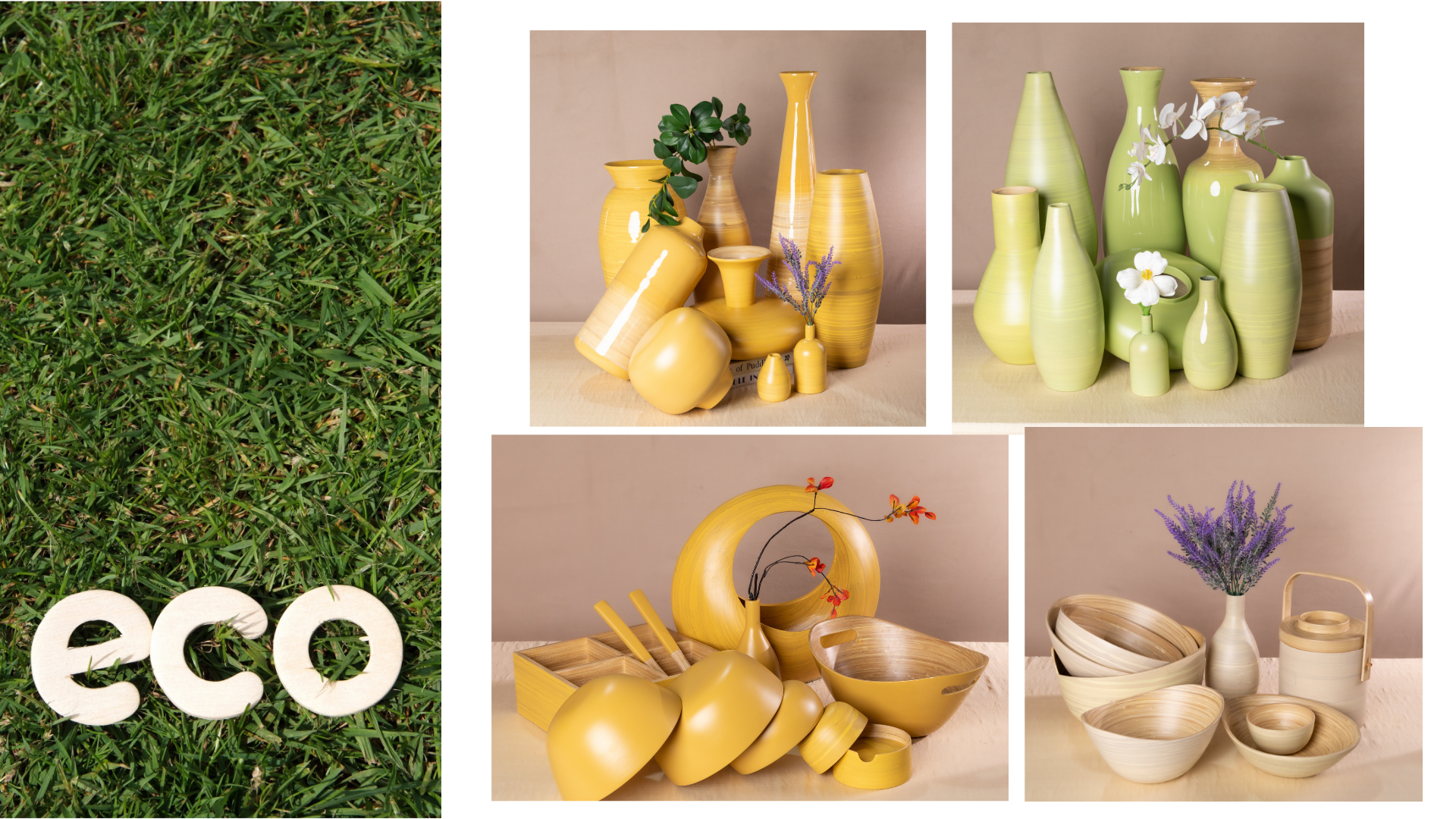
In reality, it starts much earlier. At Thành Nam ARTS, we typically use bamboo that has matured for approximately three to five years. At this stage, bamboo offers the ideal combination of strength, flexibility, and durability. Bamboo harvested too early contains excessive moisture and lacks structural stability. On the other hand, over-mature bamboo may become brittle and difficult to shape.
This is why selecting the right bamboo is one of the most important decisions we make. Because beautiful products begin with quality materials.
Reference article: Harvesting and Yield of Bamboo
Preparing Bamboo for Its Transformation
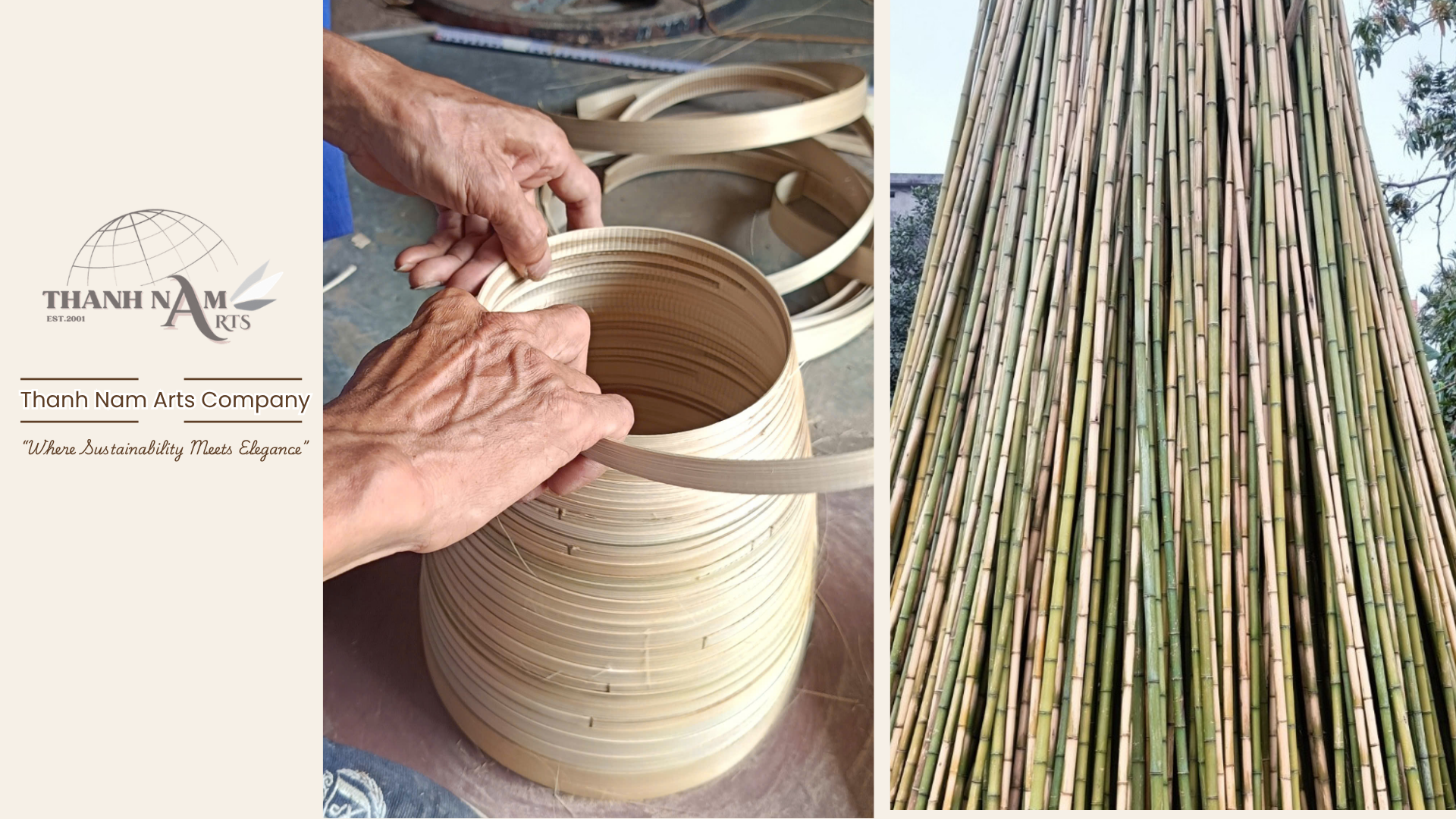
After being selected, the bamboo is processed into thin strips. This stage requires patience and careful attention. Each strip must have consistent thickness and flexibility. Even small variations can affect the balance and appearance of the final product.
Many customers visiting our workshop are surprised to learn how much work goes into preparation before shaping even begins.
To most people, bamboo is just a plant. But to our artisans, every strip represents the beginning of something beautiful.
Where Craftsmanship Truly Comes Alive
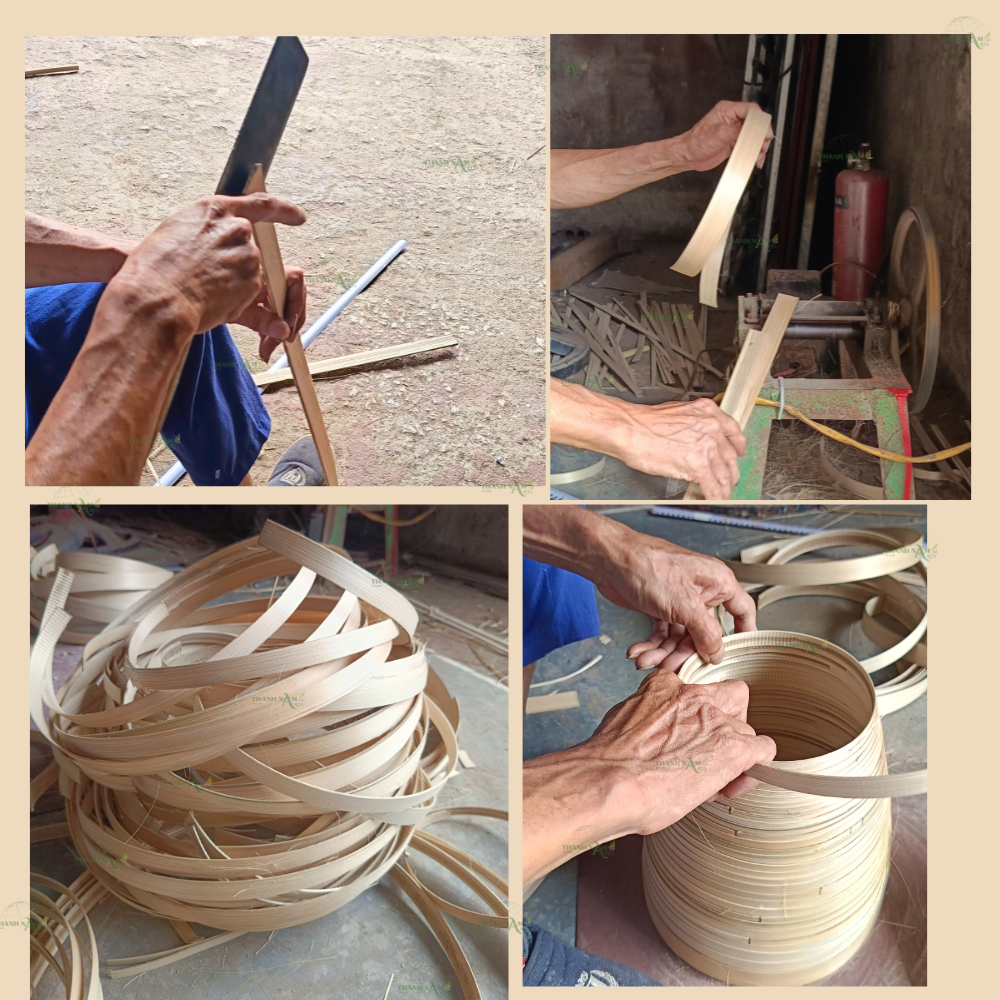
This is the stage visitors enjoy the most. Using traditional spinning techniques passed down through generations, our artisans carefully shape bamboo strips around molds. Slowly, something remarkable begins to happen. A flat strip becomes a curve. A curve becomes a bowl. And eventually, that bowl becomes a finished piece of craftsmanship.
There are no robotic arms. No fully automated production lines. Just experienced hands and years of knowledge. Every movement matters: the pressure, the angle, the position.
Everything depends on the artisan’s touch. That is why no two handmade spun bamboo products are ever completely identical. Each one carries its own character. And perhaps, that is what makes handmade products so special.
Preserving Local Craftsmanship
One thing we are most proud of at Thành Nam ARTS is the people behind the products. Many of our artisans come from traditional craft villages where bamboo craftsmanship has been passed down through generations.
For them, this is much more than a profession. It is family heritage. It is pride. It is part of their identity.
In an increasingly automated world, these artisans continue to preserve traditional skills while adapting to the quality standards required by international markets.
Every order we produce helps support local communities and keeps these valuable traditions alive.
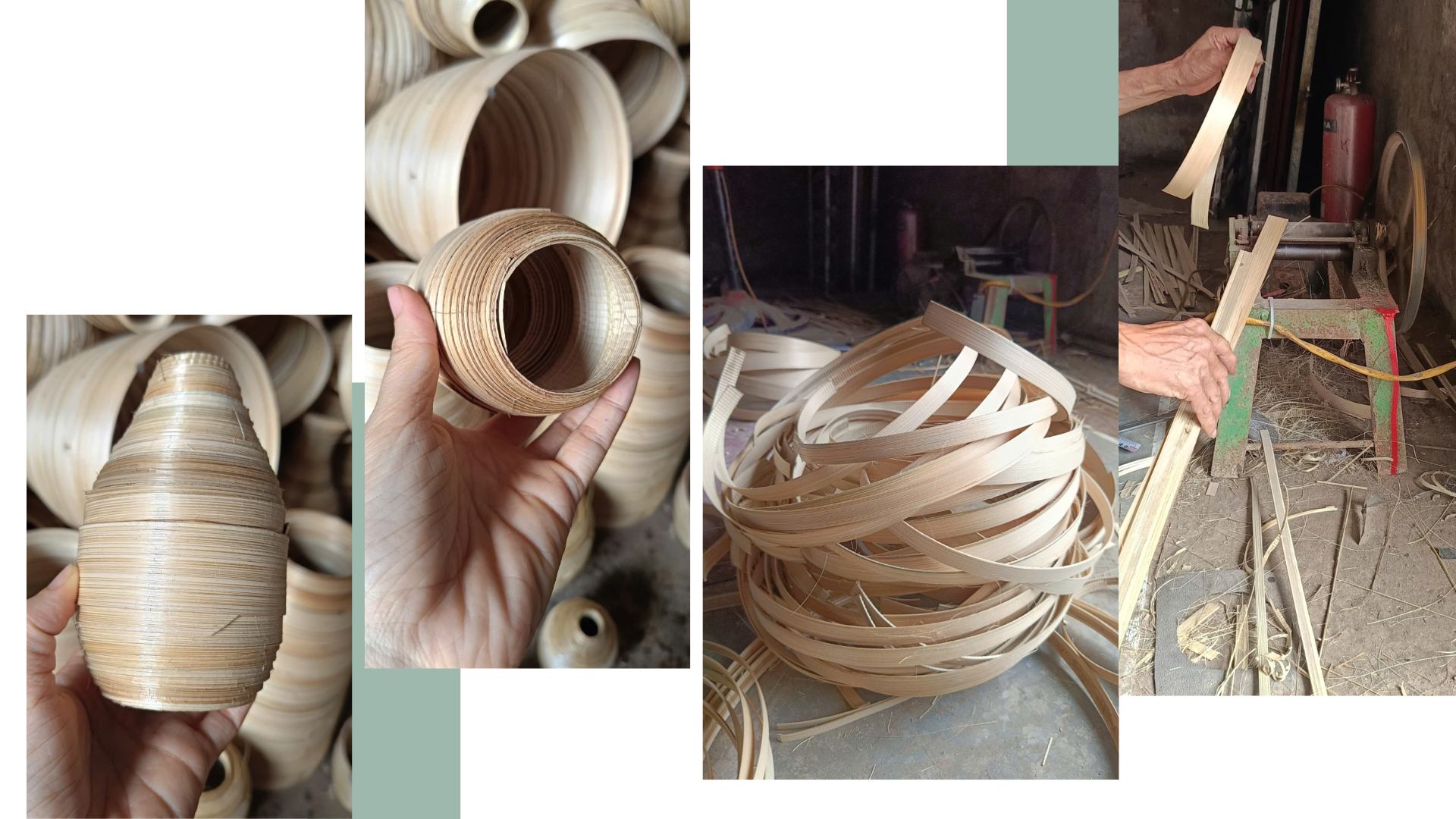
Image caption: Behind every spun bamboo product are local artisans whose skills and passion keep Vietnamese craftsmanship alive.
The Quiet Steps That Matter Most
Once the products are shaped, they need time to stabilize. Because bamboo is a natural material, proper drying and stabilization are essential for maintaining long-term durability. Although customers rarely see this stage, it plays a major role in preventing warping and cracking.
Afterward, every piece is carefully sanded and finished
- The smooth texture.
- The natural grain.
- The pleasant feeling when holding the product.
- These details are not accidental.
They are the result of countless small efforts throughout the production process.
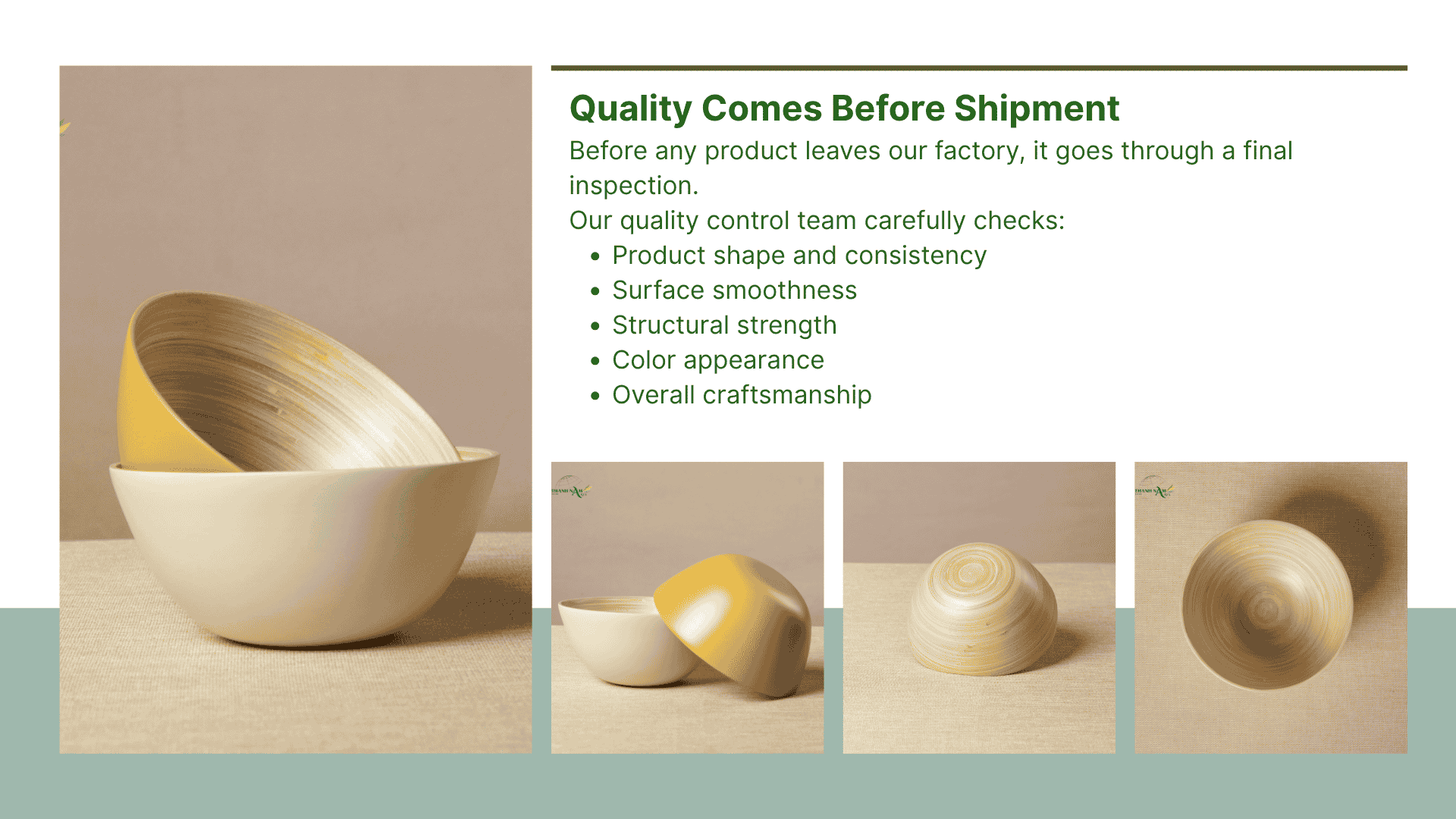
Quality Comes Before Shipment
Before any product leaves our factory, it goes through a final inspection.
Our quality control team carefully checks:
- Product shape and consistency
- Surface smoothness
- Structural strength
- Color appearance
- Overall craftsmanship
Only products that meet our standards are approved for shipment.
Because when customers in Germany, the United States, Australia, or Japan open their boxes, they are not just receiving products. They are receiving the trust they have placed in us.
What Surprises Visitors Most When They Visit Our Workshop?
Over the years, we have welcomed buyers, sourcing managers, and business partners from many countries. Interestingly, their reactions are often very similar.
Many expect to see highly automated production lines. Instead, they discover artisans patiently shaping products by hand. Some stand quietly for several minutes. Others take videos with their phones. Some ask endless questions because they have never seen this process before.
One customer once told us:
“Now I understand why handmade products are so different.”
Another said:
“Seeing the production process changed the way I think about bamboo products.”
These moments always make us proud. Because when visitors witness the process firsthand, they see much more than products. They see the people behind them.

How Are Spun Bamboo Products Made? More Than Products—A Story of Vietnamese Craftsmanship
At Thành Nam ARTS, we don’t simply make bowls, trays, or baskets. We preserve traditions. We support local communities. We transform natural materials into products designed for modern living.
And most importantly, we tell the story of Vietnamese craftsmanship through every piece we create. For more than 25 years, that story has been at the heart of everything we do. And we are proud to share it with customers around the world.
.
Frequently Asked Questions About How Are Spun Bamboo Products Made?
What Are Spun Bamboo Products?
Spun bamboo products are handcrafted items made by shaping thin bamboo strips around molds using traditional spinning techniques.
Common examples include bowls, trays, baskets, lampshades, and home décor products.
Are Spun Bamboo Products Handmade?
Yes. At Thành Nam ARTS, the shaping process relies heavily on skilled artisans.
While certain preparation and finishing stages may involve supporting equipment, the heart of the process remains handcrafted.
Why Is Bamboo Aged 3–5 Years Preferred?
Bamboo harvested between three and five years old offers the ideal balance of strength, flexibility, and durability.
Younger bamboo contains higher moisture levels, while older bamboo tends to become brittle.
This maturity helps ensure long-lasting products.
How Long Do Spun Bamboo Products Last?
With proper care, spun bamboo products can last for many years.
Their durability depends on material quality, production techniques, finishing methods, and usage conditions.
Are Spun Bamboo Products Sustainable?
Yes.
Bamboo is one of the fastest-growing renewable resources in the world.
It regenerates naturally and requires relatively few resources to grow, making it an environmentally friendly material for home and lifestyle products.
What Makes Spun Bamboo Different from Woven Bamboo?
Woven bamboo products are created by interlacing bamboo strips.
Spun bamboo products are formed around molds, resulting in smoother curves and a more refined appearance.
This makes spun bamboo especially suitable for premium home décor and tableware collections.
Can Spun Bamboo Products Be Customized?
Absolutely.
At Thành Nam ARTS, we regularly work with international customers on OEM and ODM projects.
Customization options include:
- Sizes
- Shapes
- Colors
- Finishes
- Private labeling
- Packaging solutions
Why Do Buyers Choose Handmade Spun Bamboo Products?
Because handmade products offer something machines cannot.
They combine craftsmanship, sustainability, authenticity, and storytelling.
Each piece reflects the skills of artisans while meeting the quality standards expected by international markets.
Let’s Create Something Meaningful Together
For over 25 years, Thành Nam ARTS has partnered with retailers, brands, wholesalers, and hospitality businesses worldwide.
If you are looking for:
- A reliable spun bamboo products manufacturer
- OEM & ODM development support
- Custom designs and packaging
- Consistent quality and long-term partnership
- Authentic handcrafted products with sustainable value
We would love to hear your ideas. Whether you are developing a new collection, searching for a trusted supplier, or simply exploring handmade bamboo products, our team is always ready to support you.

Contact Thành Nam ARTS today and discover how traditional Vietnamese craftsmanship can bring your ideas to life.
Because behind every handcrafted product lies a story. And perhaps, the next chapter of that story could be written together with you.
—————————————————————————————————
CÔNG TY CỔ PHẨN MỸ NGHỆ THÀNH NAM – THANH NAM ARTS JSC
Address: Road 10, Van Thang, Ninh Binh, Vietnam
Website: https://thanhnamjsc.com.vn/
Alibaba Store: https://thanhnamcraft.trustpass.alibaba.com/
Facebook: https://www.facebook.com/thanhnamarts
Email: info@thanhnamjsc.com.vn
Mobile: +84 982986956 (Ms. Vanni Tran)
Whatsapp: +84982986956 (Ms. Vanni Tran)
