
Latest news
Spun Bamboo Tableware vs Ceramic: Which Is Better for Everyday Use?
Aug
In our many years of manufacturing and exporting spun bamboo tableware to markets such as Europe, North America, and Japan, Thanh Nam ARTS has had the opportunity to work with a wide range of importers, retail brands, restaurants, and hotels. Interestingly, alongside requirements related to design and quality, we often receive the same question: Should we choose spun bamboo tableware or ceramic tableware?
In reality, there is no single material that is perfect for every need. Ceramic offers a traditional aesthetic and a solid, familiar feel, while spun bamboo tableware is highly valued for its lightweight nature, durability, sustainability, and the natural beauty of bamboo. Each material has its own strengths. In this article, from the perspective of a direct manufacturer, Thanh Nam will share objective insights into these two materials based on real experience in design, production, and export. We hope these practical insights will help you better understand the advantages and limitations of each option, so you can make the right choice whether you are sourcing for households, restaurants, hotels, or business operations.
Reference article: Top Spun Bamboo Home Decor Trends in 2027: Where Craftsmanship Meets the Future of Living
What is Spun Bamboo Tableware?
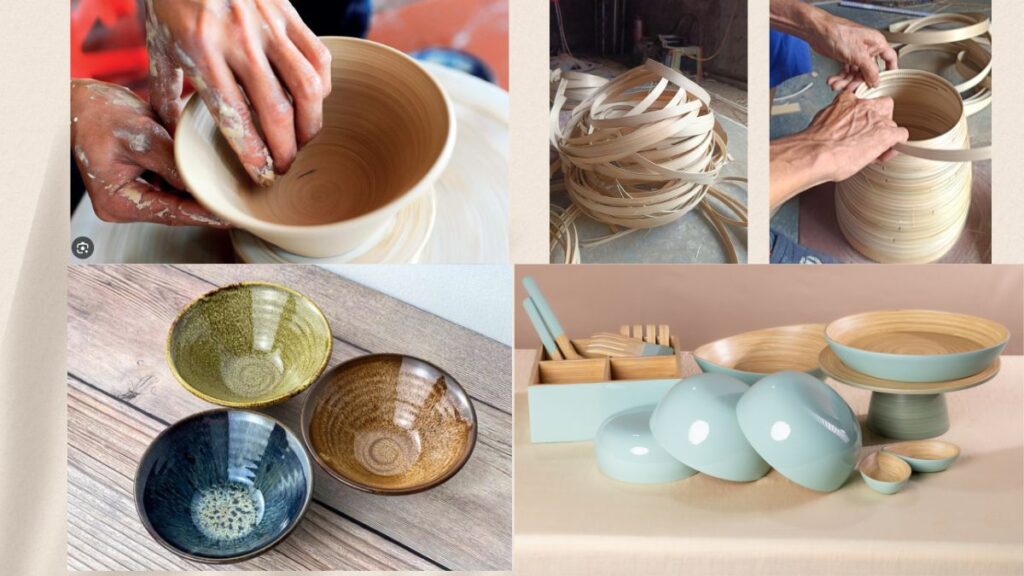
At first glance, many people think spun bamboo tableware is simply made from bamboo shaped into plates, bowls, or trays. However, the real value of this product lies not only in the material itself but also in the craftsmanship and production process behind it.
At Thanh Nam, every product starts with selecting bamboo that has reached the right maturity. The bamboo is then treated to remove moisture, prevent insects, and improve stability before being used in production. This is a crucial step that helps ensure durability and long-term performance.
Unlike conventional bamboo products, spun bamboo tableware is created by layering thin bamboo sheets, which are then pressed and shaped using specialized molds. This process allows the bamboo fibers to bond tightly together, creating a structure that is both strong and lightweight. After shaping, each piece is carefully sanded multiple times to achieve a smooth surface before being coated with a food-safe finish.
What makes this process special is not just the technique, but also the human craftsmanship behind it. Every curve, surface, and detail is completed by skilled artisans who have spent years working with bamboo. This human touch gives each product a unique character that machines alone cannot fully replicate.
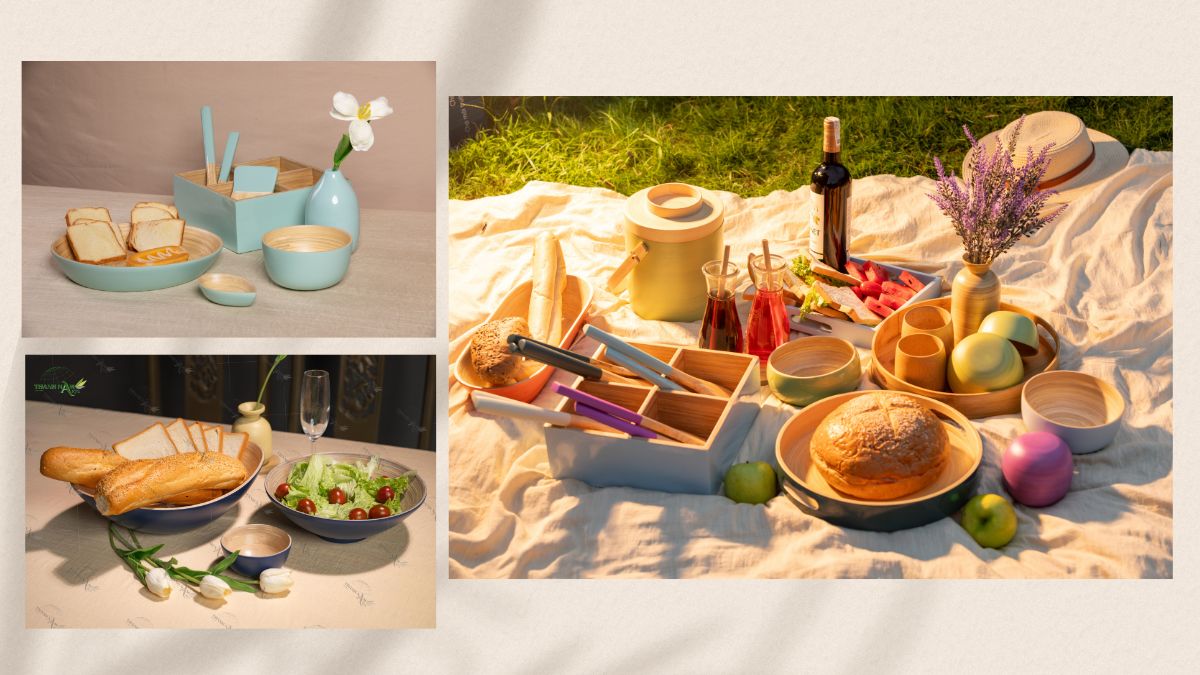
Unlike industrial materials that look completely uniform, bamboo naturally carries unique grain patterns and color variations. As a result, every piece of tableware has its own identity, bringing a natural and warm feeling to the dining table. This is one of the reasons why many restaurants, hotels, and lifestyle brands choose spun bamboo tableware to create a more distinctive dining experience.

Key Features of Spun Bamboo Tableware:
- Lightweight compared to ceramic and glass, easy to handle, carry, and stack
- High durability with good impact resistance, less prone to breaking in daily use
- Made from renewable bamboo resources, supporting sustainable and eco-friendly living
- Natural bamboo grain texture, giving each piece a unique and organic appearance
- Food-safe when finished with certified food-grade coating
- Comfortable for everyday use in households, restaurants, and hospitality environments
- Helps reduce logistics cost due to lower weight in shipping and export
- Suitable for modern lifestyle trends such as eco-friendly, minimalist, and natural dining concepts
Ceramic Tableware Overview
Before making a comparison, it is important to acknowledge that ceramic tableware has long held a special place in dining culture around the world.
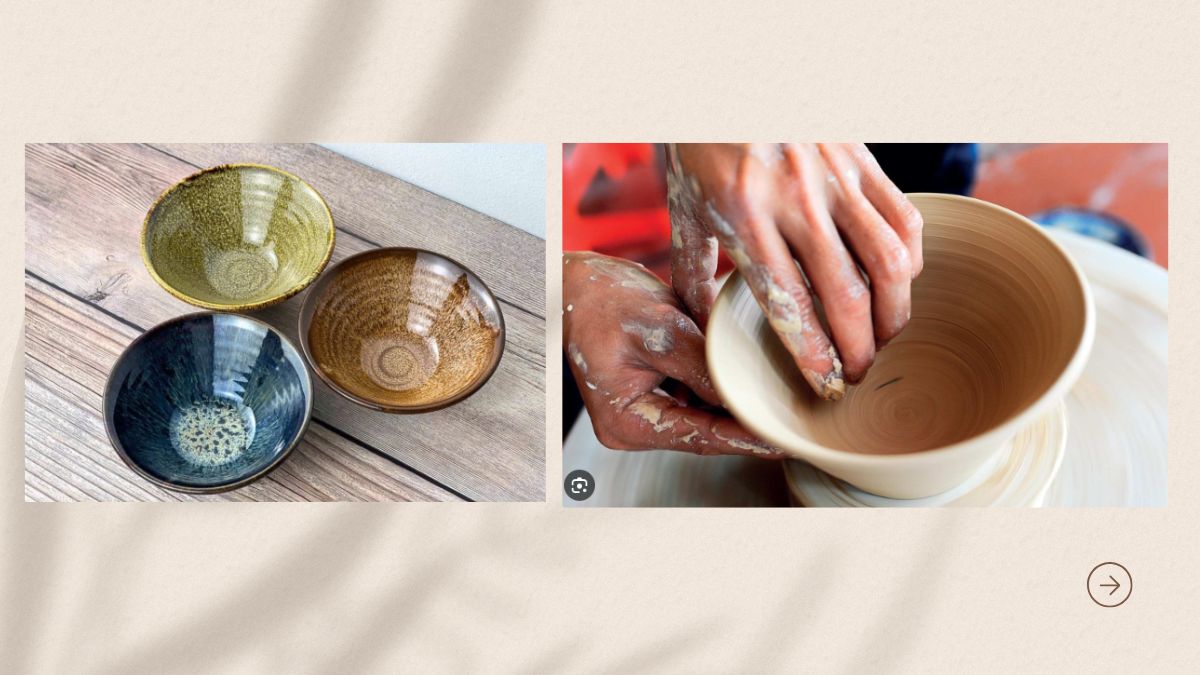
From everyday family meals to fine dining restaurants, ceramic plates and bowls offer a sense of solidity, elegance, and familiarity. Made from clay, fired at high temperatures, and finished with a protective glaze, ceramic tableware is heat-resistant, smooth, and available in a wide variety of colors and patterns.
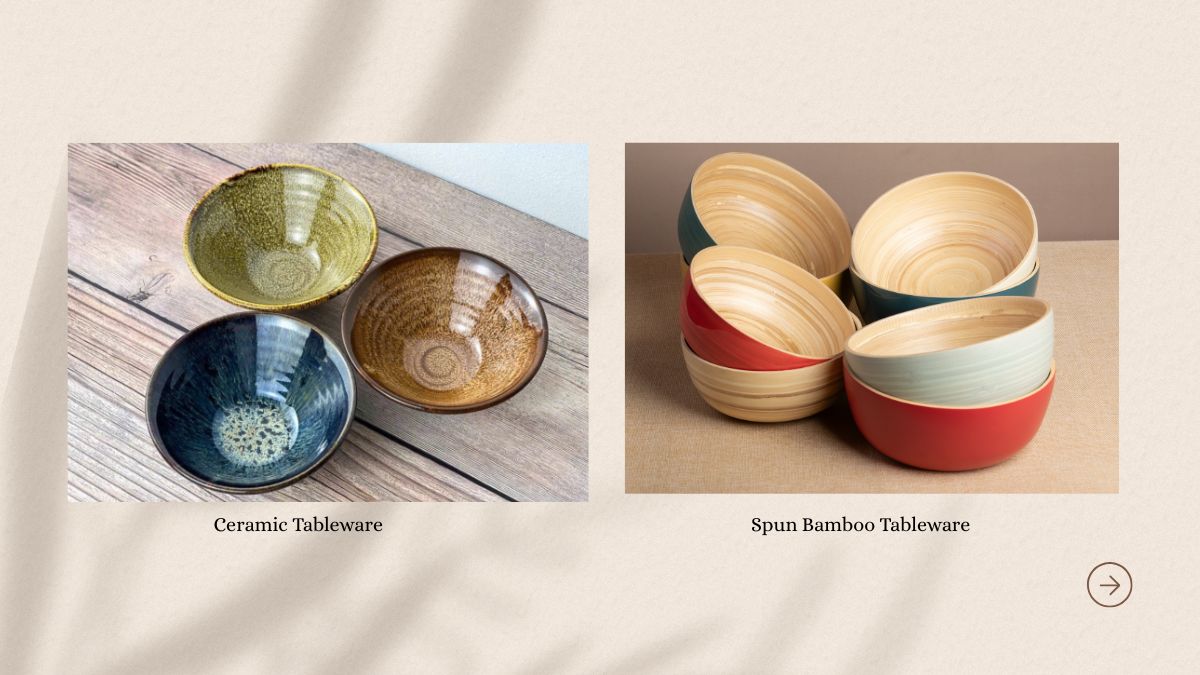
Thanks to these qualities, ceramic remains a popular choice for settings that value tradition and visual sophistication. However, it also comes with limitations such as higher weight, greater risk of breakage, and increased shipping costs, especially for export orders.
This is why in recent years, more brands and businesses have started exploring alternatives such as spun bamboo tableware to meet the growing demand for sustainability, efficiency, and cost optimization.
Spun Bamboo Tableware vs Ceramic: Which One Is Better?
In our years of working with importers, retail brands, and hospitality businesses around the world, Thanh Nam has realized that the question “Which material is better?” does not really have a single answer.
The truth is, it is not about whether spun bamboo tableware or ceramic is superior, but rather which material is more suitable for the specific purpose of use and the value you are looking for.
Let’s take a closer look at both materials based on the most important criteria.
Weight and ease of use
If you hold a ceramic plate and a spun bamboo plate of the same size, you can immediately feel the difference.
Ceramic tableware offers a solid, heavy, and premium feel that many people associate with quality and tradition. However, this weight can sometimes become inconvenient in daily use, especially for families with children or elderly members, or restaurants that need to serve a large number of meals every day.
In contrast, spun bamboo tableware is significantly lighter while still maintaining good strength and stability. It is easier to handle, carry, and stack without feeling heavy.
From a production perspective, we also see that many international buyers prefer bamboo tableware for this reason. The lighter weight not only improves user experience but also helps reduce shipping costs and optimize packaging efficiency.

Durability and impact resistance
Durability is always one of the most important factors when choosing tableware.
Ceramic has good heat resistance and maintains its shape over time. However, it is inherently fragile. A strong impact or accidental drop onto a hard surface can easily cause cracks or breakage.
On the other hand, spun bamboo tableware is made from multiple compressed bamboo layers that create a more flexible structure. Instead of shattering, it is more likely to withstand minor impacts and remain intact during normal daily use.
This makes it particularly suitable for restaurants, cafés, hotels, and high-traffic dining environments where breakage costs can become significant over time.
Of course, spun bamboo tableware is not indestructible. Excessive force or improper use can still cause damage. However, under normal conditions, its impact resistance is clearly an advantage compared to ceramic.
Food safety
Today’s consumers care not only about appearance and durability but also about health and safety.
For ceramic tableware, safety largely depends on the quality of raw materials and glazing. When produced under strict standards, ceramic is completely safe and heat-resistant. However, low-quality or uncertified products may carry risks related to glaze composition or heavy metals.
Similarly, spun bamboo tableware should also be evaluated based on the full production process, not just the bamboo material itself. Bamboo is naturally safe, but the quality of the surface coating plays a key role in ensuring food safety during long-term use.
That is why at Thanh Nam, we always use food-safe coatings for all export products. This coating protects the bamboo surface from moisture and stains while maintaining its natural appearance after repeated use.
Recommendation from Thanh Nam: Whether you choose bamboo or ceramic, always prioritize manufacturers that are transparent about materials, production processes, and safety certifications. A product is only truly valuable when it gives you confidence in every meal.

Sustainability and environmental impact
This is where the difference between the two materials becomes most clear.
Bamboo is one of the fastest renewable resources in the world. It can be harvested within a few years without killing the plant, allowing it to regenerate naturally. This makes bamboo a highly sustainable material widely used in eco-conscious products.
In addition, bamboo absorbs a significant amount of CO₂ during its growth, helping reduce environmental impact. When properly managed, bamboo harvesting supports a more sustainable supply chain.
Ceramic, on the other hand, is made from clay and requires high-temperature firing. This process consumes a large amount of energy and results in higher carbon emissions compared to natural bamboo materials.
As a manufacturer, we understand that no production process is completely free from environmental impact. However, choosing renewable materials, optimizing production, and extending product lifespan are important steps toward reducing that impact.
That is also why Thanh Nam focuses on responsibly sourced bamboo and continuously improves production efficiency to minimize waste and resource consumption.
For brands and businesses that follow a sustainability strategy, spun bamboo tableware is not just a product choice, but also a statement of environmental responsibility.
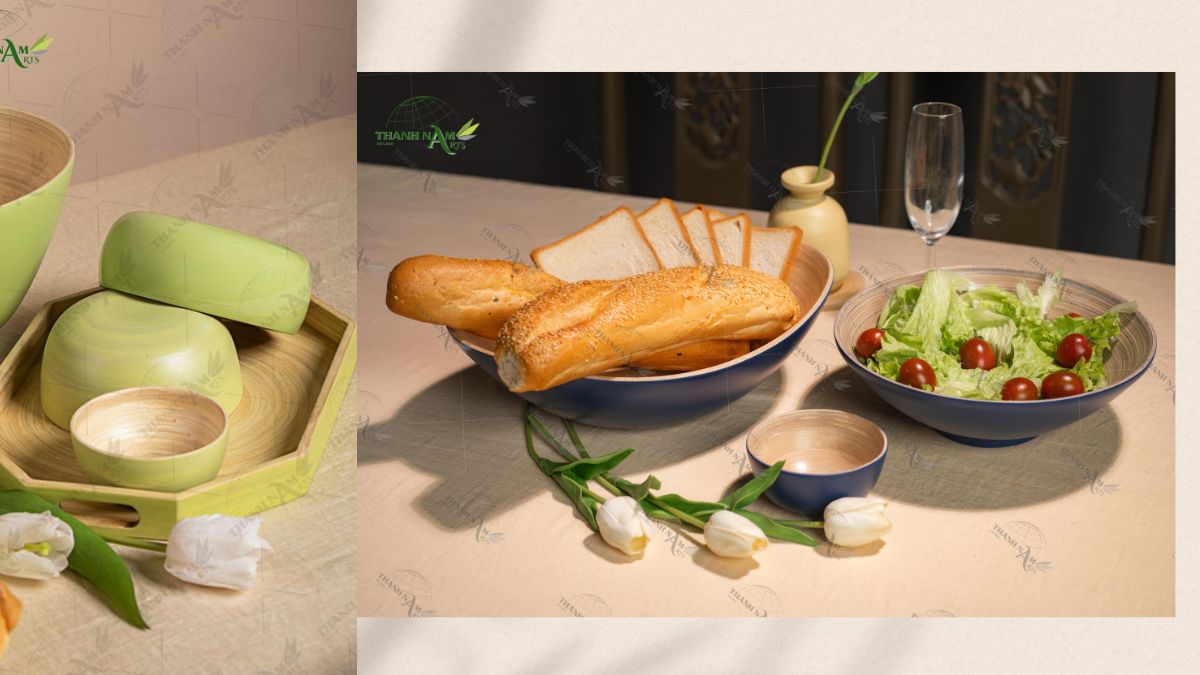
Reference article: How Are Spun Bamboo Products Made? A Story from Inside Thành Nam ARTS
Quick Comparison: Spun Bamboo Tableware vs Ceramic
| Criteria | Spun Bamboo Tableware | Ceramic Tableware |
| Weight | Lightweight, easy to handle and transport | Heavier, gives a solid and traditional feel |
| Durability | Good impact resistance, less likely to break | Durable under normal use but prone to chipping or breaking if dropped |
| Food safety | Safe when finished with certified food-grade coating | Safe when made with high-quality, certified glaze |
| Heat resistance | Suitable for everyday meals, not ideal for prolonged high heat exposure | Excellent heat resistance |
| Environmental impact | Renewable material, fast-growing resource, lower environmental footprint | Higher energy consumption during firing process |
| Design | Natural, minimal, each piece has unique bamboo grain | Wide variety of colors, patterns, and styles |
| Maintenance | Recommended hand wash, avoid long soaking | Easy to clean, many types are dishwasher-safe |
| Long-term cost | Lower replacement cost due to better impact resistance | Higher replacement cost due to breakage risk |
Frequently Asked Questions (FAQ)
Is spun bamboo tableware safe for hot food?
Yes. Spun bamboo tableware is safe for hot food as long as it is finished with a certified food-grade coating. It is designed for everyday dining use.
Can spun bamboo tableware fully replace ceramic tableware?
It depends on the usage scenario. Spun bamboo is a great alternative for daily use, restaurants, and eco-friendly lifestyles, but ceramic may still be preferred for traditional or high-heat serving environments.
Does spun bamboo tableware crack or deform over time?
When used properly, it is very stable. However, like any natural material, improper handling such as excessive soaking or exposure to extreme conditions can affect its lifespan.
Is bamboo tableware dishwasher safe?
We generally recommend hand washing to maintain durability and appearance. Some products may tolerate dishwashers, but hand washing is always the safer option.
Which one lasts longer, bamboo or ceramic?
Both can last a long time if used correctly. Ceramic is more durable under heat, while spun bamboo performs better in impact resistance and daily handling.
Is spun bamboo tableware suitable for restaurants and hotels?
Yes. Many of our clients in the hospitality industry choose spun bamboo because it reduces breakage costs and improves operational efficiency.
Does bamboo absorb food odors?
No, not when properly processed and coated with a food-safe finish. High-quality spun bamboo products are designed to resist odor absorption.
Is ceramic more eco-friendly than bamboo?
Generally, bamboo has a lower environmental impact because it is a fast-growing renewable resource, while ceramic production requires high-energy firing processes.
Choosing between spun bamboo tableware and ceramic is not about which material is absolutely better, but about which one better fits your needs.
Ceramic remains a timeless choice with a strong presence in traditional dining culture, offering elegance, heat resistance, and familiarity. Meanwhile, spun bamboo tableware represents a more modern direction—focused on sustainability, lightweight convenience, durability in daily use, and a closer connection to natural materials.
Looking for high-quality spun bamboo tableware for your business or brand?
At Thanh Nam, we specialize in manufacturing and exporting eco-friendly bamboo tableware for wholesalers, retailers, restaurants, hotels, and private label brands worldwide.
Our products are made from carefully selected bamboo, processed with strict quality control, and finished with food-safe coatings to meet international standards.
If you are interested in OEM/ODM solutions or bulk orders, feel free to contact us for catalogs, samples, or quotations. We are ready to support your sourcing needs with reliable production and consistent quality.

—————————————————————————————————
CÔNG TY CỔ PHẨN MỸ NGHỆ THÀNH NAM – THANH NAM ARTS JSC
Address: Road 10, Van Thang, Ninh Binh, Vietnam
Website: https://thanhnamjsc.com.vn/
Alibaba Store: https://thanhnamcraft.trustpass.alibaba.com/
Facebook: https://www.facebook.com/thanhnamarts
Email: info@thanhnamjsc.com.vn
Mobile: +84 982986956 (Ms. Vanni Tran)
Whatsapp: +84982986956 (Ms. Vanni Tran)
