
Latest news
Behind the Spun Bamboo Manufacturing Process: How Quality Is Built at Every Stage
Aug
Spun bamboo manufacturing process is much more than a series of production steps—it is the foundation of every high-quality bamboo product. While many manufacturers may follow a similar workflow, the final results can vary significantly depending on how each stage is managed.
At Thành Nam ARTS, we’ve learned through years of manufacturing and exporting handcrafted spun bamboo products that exceptional quality isn’t created by chance. It comes from careful material selection, skilled craftsmanship, consistent quality control, and attention to detail throughout the entire production journey.
In this article, we’ll take you inside the spun bamboo manufacturing process from a different perspective. Rather than simply explaining how products are made, we’ll explore the quality checkpoints that have the greatest impact on durability, appearance, and consistency—helping you better understand what truly sets a reliable manufacturer apart.
Reference article: What Is Spun Bamboo and Why Global Buyers Are Choosing It Over Conventional Materials?
Not Every Spun Bamboo Manufacturing Process Delivers the Same Quality
At first glance, many spun bamboo products look remarkably similar. They may share the same shape, finish, or even color. However, once you begin sourcing from different manufacturers, you’ll quickly notice that the quality can vary far more than expected.
The reason is simple: not every spun bamboo manufacturing process is managed with the same level of care.
Some factories focus primarily on increasing output, while others prioritize consistency and long-term product performance. Although both may follow similar production stages, the standards applied at each stage can make a significant difference.
For example, a reliable manufacturer will pay close attention to details such as:
- Consistency of raw bamboo materials
- Moisture control before production
- Precision during hand shaping
- Surface finishing quality
- Inspection before packaging
These checkpoints may seem minor individually, but together they determine whether a product remains stable after months of use or develops problems like cracking, warping, or uneven finishes.
From my experience, buyers shouldn’t judge a manufacturer solely by a beautiful sample. The real challenge is maintaining that same quality across hundreds or even thousands of pieces. That’s where a well-controlled spun bamboo manufacturing process truly proves its value.

Material Consistency Is the Foundation
Every premium spun bamboo product begins long before production starts—it begins with choosing the right bamboo.
Many people assume that all bamboo performs the same, but that’s far from reality. As a natural material, bamboo varies in density, fiber structure, and moisture content depending on its age and growing conditions. These differences directly influence the quality of the finished product.
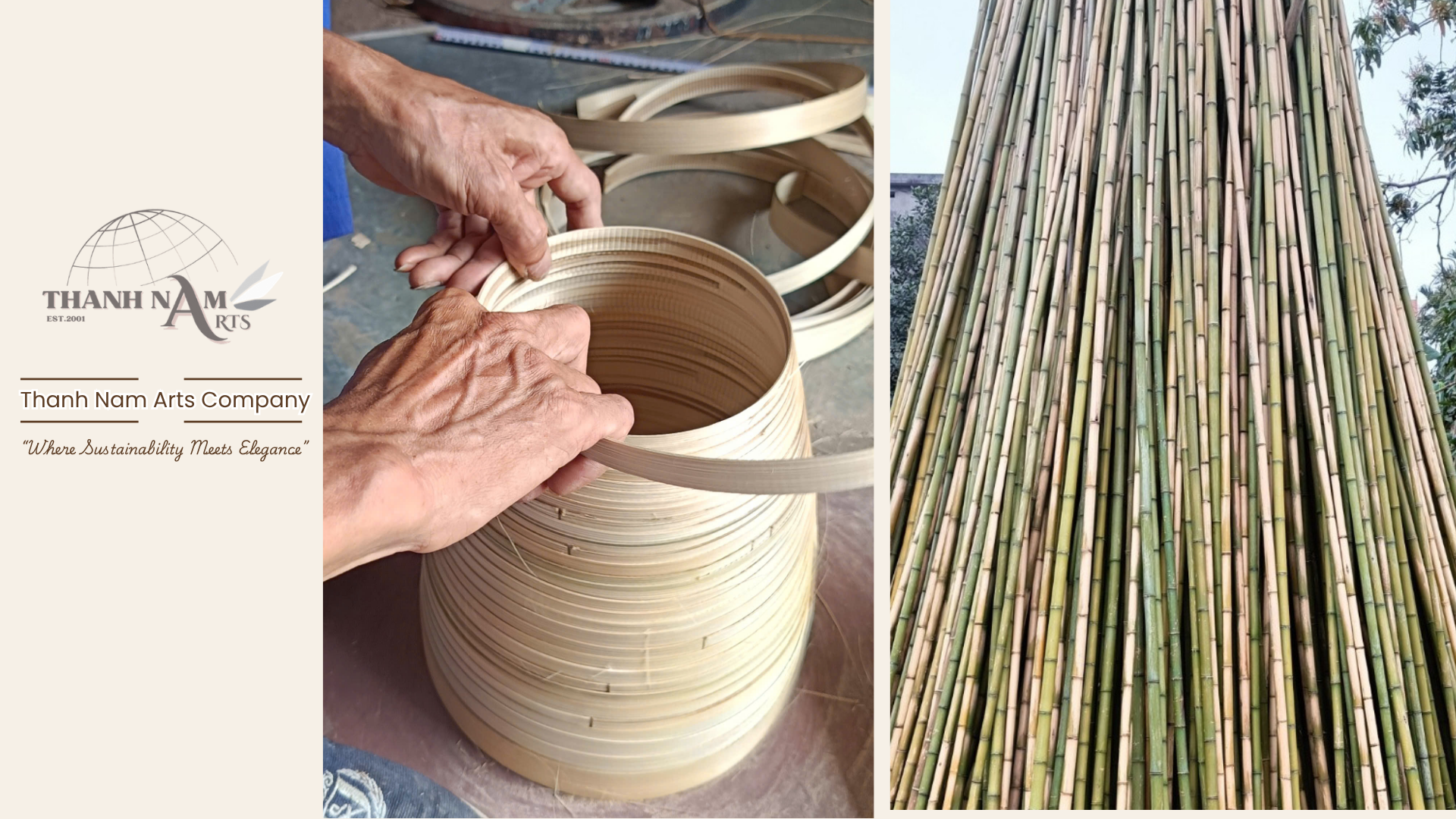
A reliable manufacturer doesn’t simply purchase bamboo and begin production. Instead, the material is carefully evaluated to ensure it meets the required standards.
Key factors include:
- Mature bamboo with strong, stable fibers
- Consistent material quality throughout the production batch
- Suitable moisture content before processing
- Bamboo free from defects that could affect durability
Starting with consistent raw materials offers several important advantages:
- Better structural stability
- Reduced risk of cracking or warping
- More uniform color and texture
- Improved consistency across large production orders
In my opinion, this is one of the most overlooked parts of the spun bamboo manufacturing process. Customers usually admire the finished bowl or tray, but few realize that its quality was largely determined before any shaping or finishing even began.
Good craftsmanship can certainly enhance a product, but it cannot fully compensate for poor raw materials. That’s why experienced manufacturers always invest time in building a strong foundation before moving to the next stage.
Moisture Stability Prevents Future Defects
One of the biggest challenges in bamboo manufacturing isn’t creating a beautiful product—it’s ensuring that the product stays beautiful after months or even years of use.

This is where moisture control becomes critical. Because bamboo is a natural material, it constantly reacts to changes in humidity. If moisture isn’t properly controlled during the spun bamboo manufacturing process, problems may not appear immediately. Instead, they often surface after the products have been shipped, stored, or used in different climates.
Common issues caused by poor moisture control include:
- Cracking during seasonal weather changes
- Warping or losing the original shape
- Mold growth during storage or transportation
- Reduced product lifespan
Experienced manufacturers understand that moisture stability isn’t something that can be rushed. Every production batch needs enough time to reach a suitable moisture level before moving to the next stage.
For international buyers, this checkpoint is even more important. Products often travel long distances by sea, where temperature and humidity fluctuate significantly. Proper moisture control helps ensure that the products arriving at your warehouse look the same as the approved samples.
A well-managed spun bamboo manufacturing process doesn’t only focus on today’s appearance—it protects the product’s performance long after it leaves the factory.
Precision Craftsmanship Creates a Premium Finish
Once the raw materials are carefully selected and properly conditioned, the next challenge is turning them into products that are both functional and visually appealing. This is where craftsmanship becomes one of the defining factors in the spun bamboo manufacturing process.
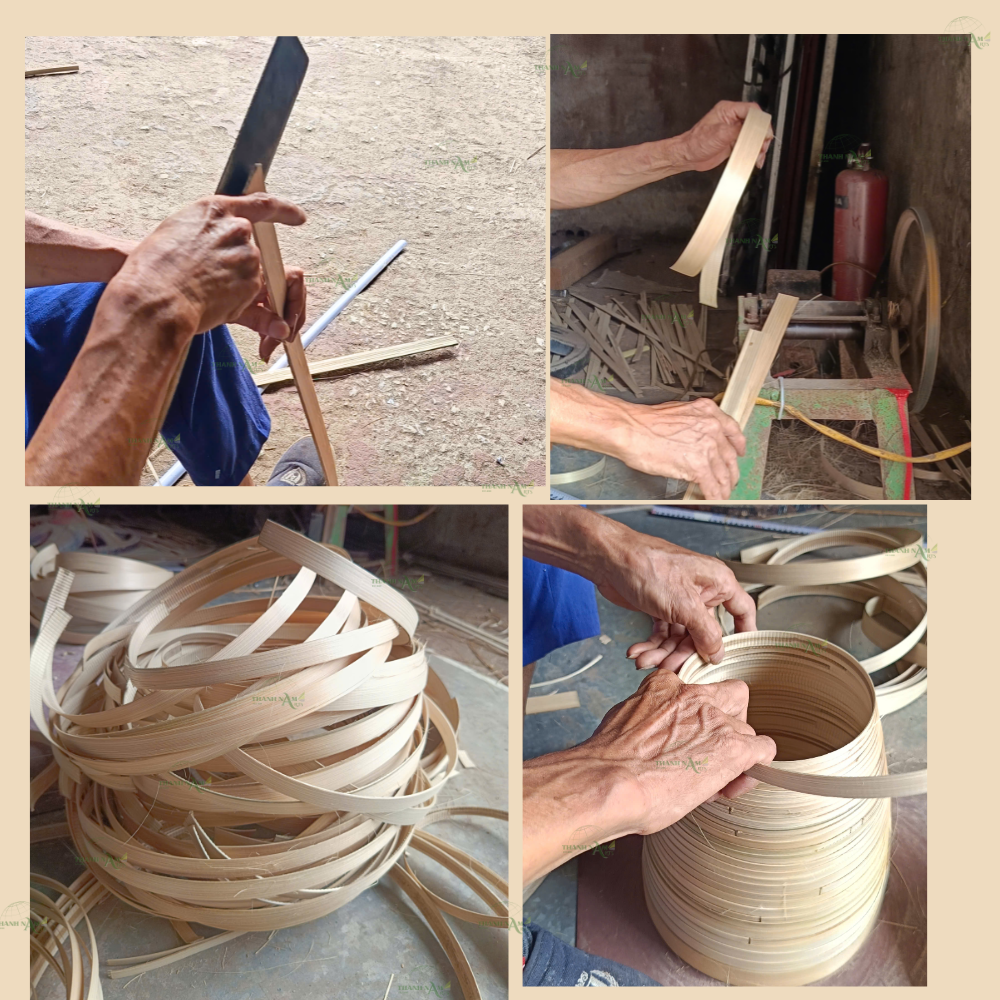
Unlike fully automated production, spun bamboo relies heavily on skilled hands. Every curve, every edge, and every proportion must be shaped with precision. Even a slight variation can affect the overall balance of the finished product.
A skilled craftsman pays attention to details that machines often cannot fully replicate, such as:
- Smooth and symmetrical curves
- Even wall thickness
- Well-balanced proportions
- Natural grain alignment
- Consistent dimensions across multiple pieces
These details may seem subtle, but together they create the refined appearance that buyers expect from handcrafted bamboo products.
More importantly, precision isn’t only about aesthetics. A bowl with uneven thickness may become weaker over time, while a tray that isn’t perfectly balanced can feel unstable in everyday use. Good craftsmanship ensures that every product is not only attractive but also practical and durable.
This is why experienced manufacturers invest in training their craftsmen rather than relying solely on equipment. Machines can improve efficiency, but they cannot replace the judgment and attention to detail that come from years of hands-on experience.
Surface Finishing Protects More Than Appearance
Even the best-crafted product can lose its value if the finishing is poorly executed. That’s why surface finishing is much more than the final cosmetic step in the spun bamboo manufacturing process.

A properly finished surface enhances both the appearance and the long-term performance of the product.
At this stage, manufacturers focus on creating a surface that is:
- Smooth and comfortable to touch
- Free from rough edges or visible imperfections
- Evenly coated without streaks or bubbles
- Resistant to moisture and daily wear
- Easy to clean and maintain
For products intended for food use, the finishing process becomes even more important. A high-quality, food-safe coating helps protect the bamboo while preserving its natural beauty. It also makes the product more resistant to stains and everyday use without hiding the unique texture of the bamboo itself.
Another detail that is often overlooked is consistency. When buyers receive hundreds of products in one shipment, they expect every piece to have the same finish and color tone. Achieving that level of uniformity requires careful control throughout the finishing stage rather than relying on visual inspection alone.
A premium finish shouldn’t draw attention to itself. Instead, it should allow the natural beauty of the bamboo to stand out while quietly protecting the product for years to come.
Final Inspection Ensures Consistency Across Every Order
By the time a product reaches the final inspection stage, most of the hard work has already been completed. However, this doesn’t mean quality control becomes less important. In fact, it serves as the final safeguard before products are delivered to customers.
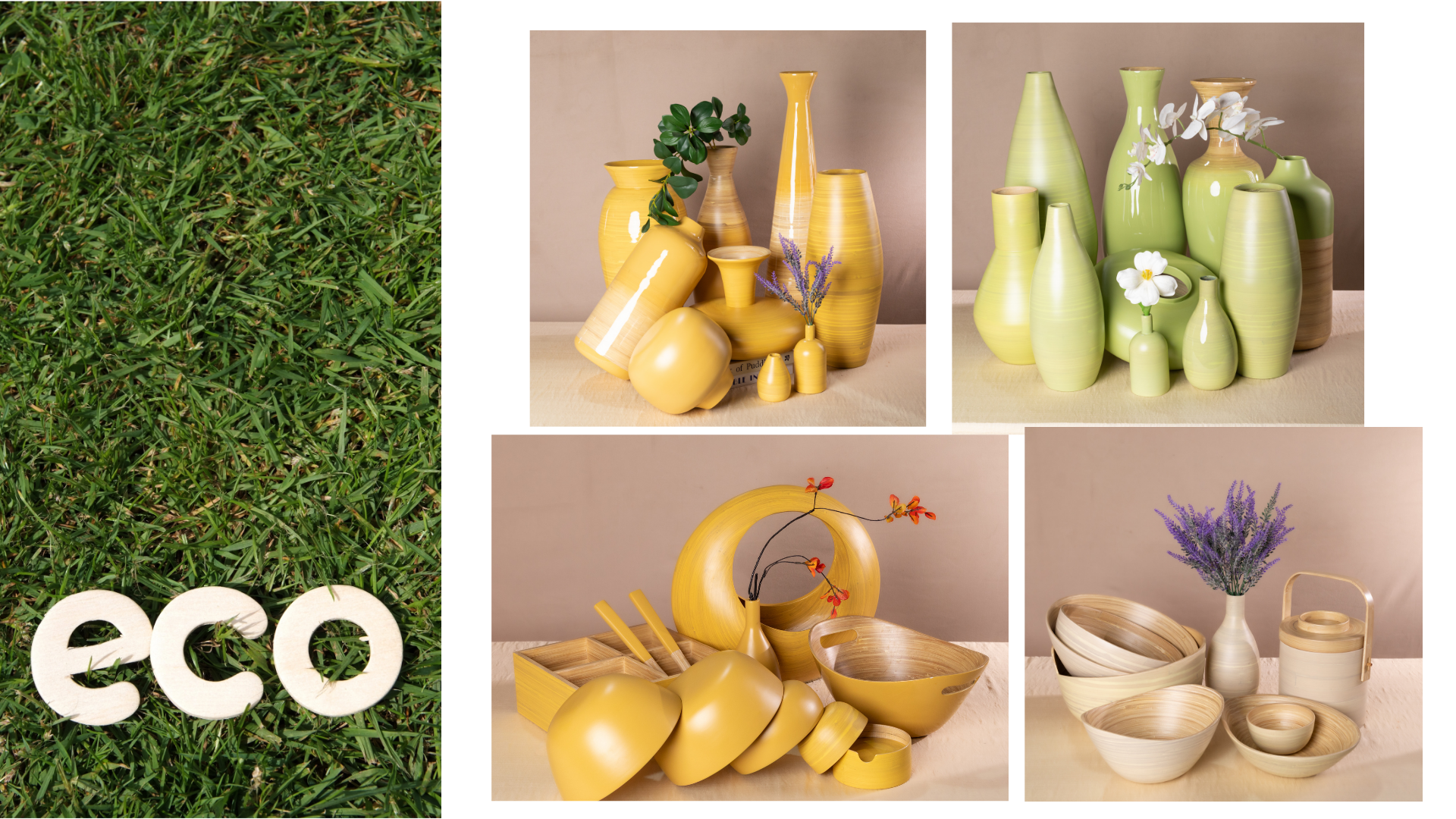
No matter how carefully the spun bamboo manufacturing process is managed, minor variations can still occur during handcrafted production. A thorough inspection helps identify these issues before they become costly problems for both the manufacturer and the buyer.
A comprehensive quality inspection typically includes:
- Shape and dimension consistency
- Surface smoothness and finish quality
- Color consistency across the production batch
- Structural strength and stability
- Cleanliness before packaging
- Packaging accuracy based on customer requirements
For wholesale buyers, consistency is often more valuable than perfection. A shipment containing products with different shades, sizes, or finishing quality can create unnecessary challenges for retailers and distributors.
This is why professional manufacturers treat quality inspection as an ongoing commitment rather than a final formality. Every product that passes inspection represents not only the factory’s standards but also the trust placed in it by customers around the world.
When every quality checkpoint works together—from material selection to the final inspection—the result is a spun bamboo manufacturing process that consistently delivers products buyers can depend on. This also explains why two suppliers offering similar designs can produce completely different outcomes once the products reach the market.
Common Manufacturing Shortcuts That Can Affect Product Quality
By now, it’s easy to see that producing high-quality spun bamboo products takes far more than simply following a production workflow. Unfortunately, not every manufacturer is willing to invest the same amount of time and attention into every stage.
When production is rushed to reduce costs or increase output, certain shortcuts are sometimes taken. While these decisions may save time in the factory, they often lead to quality issues that only become apparent after the products reach the customer.
Some of the most common shortcuts include:

Using inconsistent raw materials
Mixing bamboo from different ages or quality grades may not seem obvious at first, but it can result in noticeable variations in color, texture, and structural stability. Maintaining consistency becomes much more difficult, especially for large wholesale orders.
Reducing the time needed for moisture stabilization
Proper moisture control requires patience. Skipping or shortening this stage can increase the risk of cracking, warping, or mold, particularly when products are shipped to countries with different climates.
Rushing the finishing process
A smooth surface doesn’t happen by accident. Insufficient sanding or uneven coating can leave products feeling rough, looking inconsistent, or becoming less resistant to daily use.
Limited quality inspection
Inspecting only a small portion of a production batch may speed up the packing process, but it also increases the chance that defective products will be shipped. Even a few inconsistent pieces can affect a buyer’s confidence in the entire order.
It’s important to note that these issues don’t necessarily reflect poor intentions. Every manufacturer works with different production capacities, labor resources, and delivery schedules. However, understanding these potential risks allows buyers to make more informed sourcing decisions.
A reliable spun bamboo manufacturing process isn’t measured by how quickly products are completed—it’s measured by how consistently quality is maintained from one order to the next.
How Buyers Can Evaluate a Manufacturer Beyond Price
Price will always be an important part of any purchasing decision. However, after working with international customers for many years, we’ve found that experienced buyers rarely choose a supplier based on price alone.

Instead, they focus on one simple question:
Can this manufacturer deliver the same quality every time I place an order?
The answer usually depends on the manufacturer’s production management rather than the quotation itself.
When evaluating a supplier, consider asking questions such as:
- How do you control material consistency throughout production?
- What quality inspections are carried out before shipment?
- Can you maintain the same quality for repeat orders?
- What finishing options are available for different markets?
- Do you have experience exporting to international customers?
- How do you handle customized OEM or ODM projects?
The responses to these questions often reveal much more than a product catalog ever could.
It’s also worth requesting samples from different production batches instead of evaluating only a single piece. This provides a better understanding of how consistent the manufacturer’s spun bamboo manufacturing process really is over time.
A dependable manufacturing partner doesn’t simply produce attractive products. They communicate openly, follow standardized procedures, and continuously improve their production methods to meet changing customer expectations.
For buyers building a long-term brand, this kind of consistency often creates far greater value than choosing the lowest initial price.
Why Thành Nam ARTS Focuses on Quality at Every Checkpoint
At Thành Nam ARTS, we believe that exceptional products are the result of consistent processes rather than individual moments of craftsmanship.
Over the years, we’ve refined our spun bamboo manufacturing process with one clear objective: delivering products that meet the expectations of customers in markets around the world—not just in appearance, but also in quality, durability, and consistency.
To achieve this, we focus on every quality checkpoint throughout production:
- Carefully selected bamboo materials for greater stability.
- Skilled artisans with years of hands-on experience in spun bamboo craftsmanship.
- Standardized production procedures to improve consistency across every order.
- Multiple quality inspections before packaging and shipment.
- Flexible OEM and ODM capabilities to support custom product development.
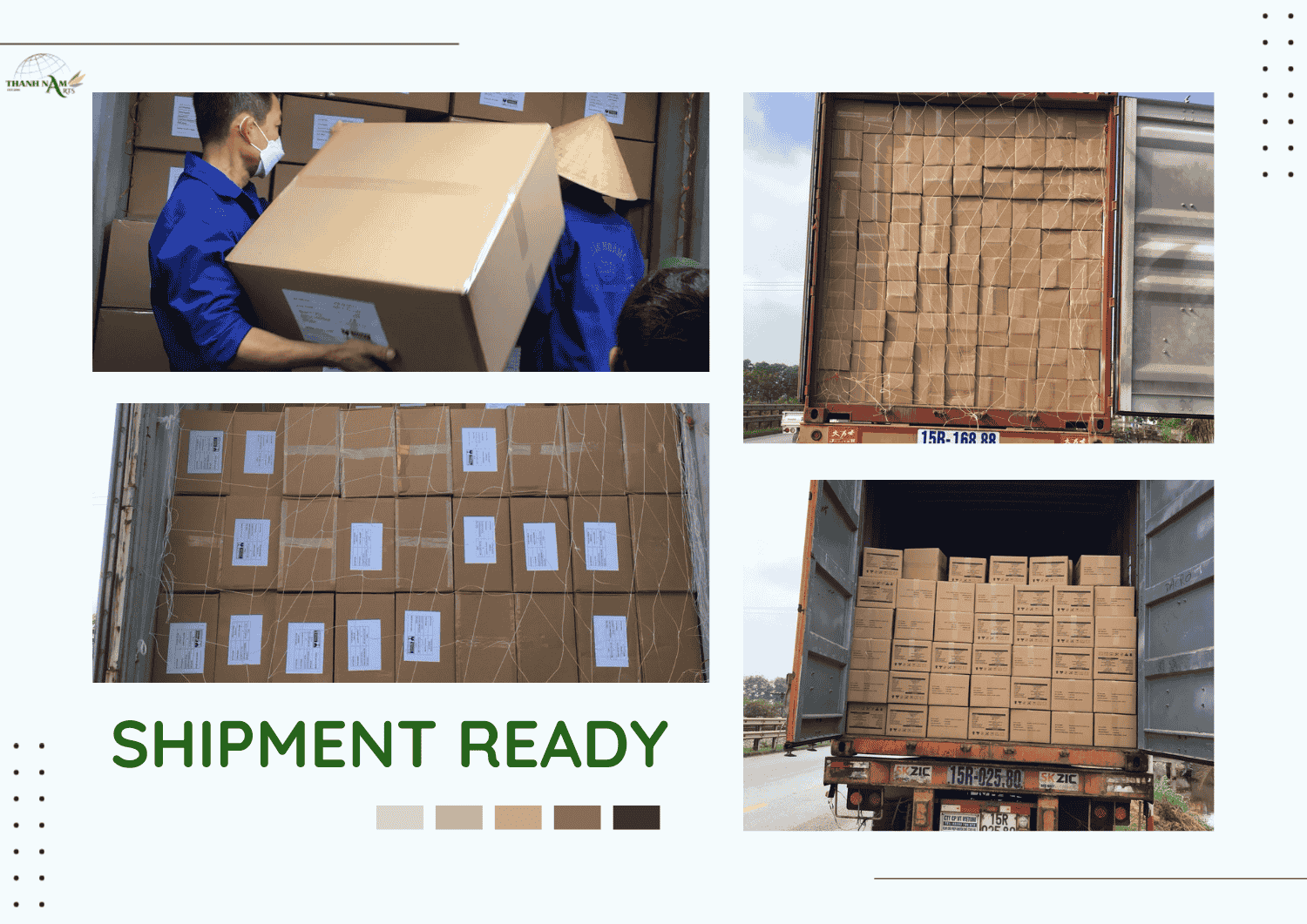
- Export-ready packaging designed to protect products during international transportation.
We understand that every shipment represents more than just finished products. It represents our customers’ brands, their reputation, and the trust their own clients place in them.
That’s why our goal isn’t simply to manufacture bamboo products—it’s to become a long-term manufacturing partner that customers can rely on with confidence, order after order.
Reference article: Custom Spun Bamboo Products: From Idea to a 20,000+ Piece Order
Frequently Asked Questions
Does every spun bamboo manufacturer follow the same production process?
Not exactly. While most manufacturers follow similar production stages, the quality of the final product depends on how each stage is managed. Factors such as raw material selection, moisture control, craftsmanship, finishing, and quality inspection can vary significantly from one factory to another. This is why products that look similar at first may perform very differently over time.
Which stage has the biggest impact on product quality?
There isn’t a single stage that determines quality on its own. A reliable spun bamboo manufacturing process relies on every checkpoint working together—from selecting consistent bamboo materials to conducting thorough final inspections. Skipping or rushing any stage can affect the product’s durability, appearance, and overall consistency.
Can handcrafted spun bamboo products achieve consistent quality?
Yes. Although handcrafted products naturally have slight variations, experienced manufacturers can achieve a high level of consistency by following standardized production procedures, training skilled artisans, and implementing strict quality control throughout the manufacturing process.
How can buyers evaluate a manufacturer’s production quality?
Beyond reviewing product samples, buyers should ask about the manufacturer’s quality control procedures, production capacity, export experience, customization capabilities, and inspection standards. A transparent manufacturer will be happy to explain how they maintain consistent quality across every order.
Why do products from different suppliers vary in price?
Pricing is influenced by many factors, including the quality of raw materials, the level of craftsmanship, production standards, finishing methods, and quality inspection procedures. While lower-priced products may reduce initial costs, investing in a well-managed spun bamboo manufacturing process often leads to greater long-term value through improved durability and fewer quality issues.
Looking for a Reliable Spun Bamboo Manufacturing Partner?
Whether you’re sourcing wholesale collections, developing a private label, or creating custom bamboo products, choosing the right manufacturer is one of the most important decisions you’ll make.
At Thành Nam ARTS, every stage of our spun bamboo manufacturing process is carefully managed to ensure consistent quality, reliable production, and export-ready products for customers worldwide. With years of experience serving international brands, wholesalers, and retailers, we understand what it takes to turn natural bamboo into products that meet global expectations.
Contact Thành Nam ARTS today to discuss your project, request samples, or learn how our team can support your next bamboo collection.

—————————————————————————————————
CÔNG TY CỔ PHẨN MỸ NGHỆ THÀNH NAM – THANH NAM ARTS JSC
Address: Road 10, Van Thang, Ninh Binh, Vietnam
Website: https://thanhnamjsc.com.vn/
Alibaba Store: https://thanhnamcraft.trustpass.alibaba.com/
Facebook: https://www.facebook.com/thanhnamarts
Email: info@thanhnamjsc.com.vn
Mobile: +84 982986956 (Ms. Vanni Tran)
Whatsapp: +84982986956 (Ms. Vanni Tran)
